 தமிழி
தமிழி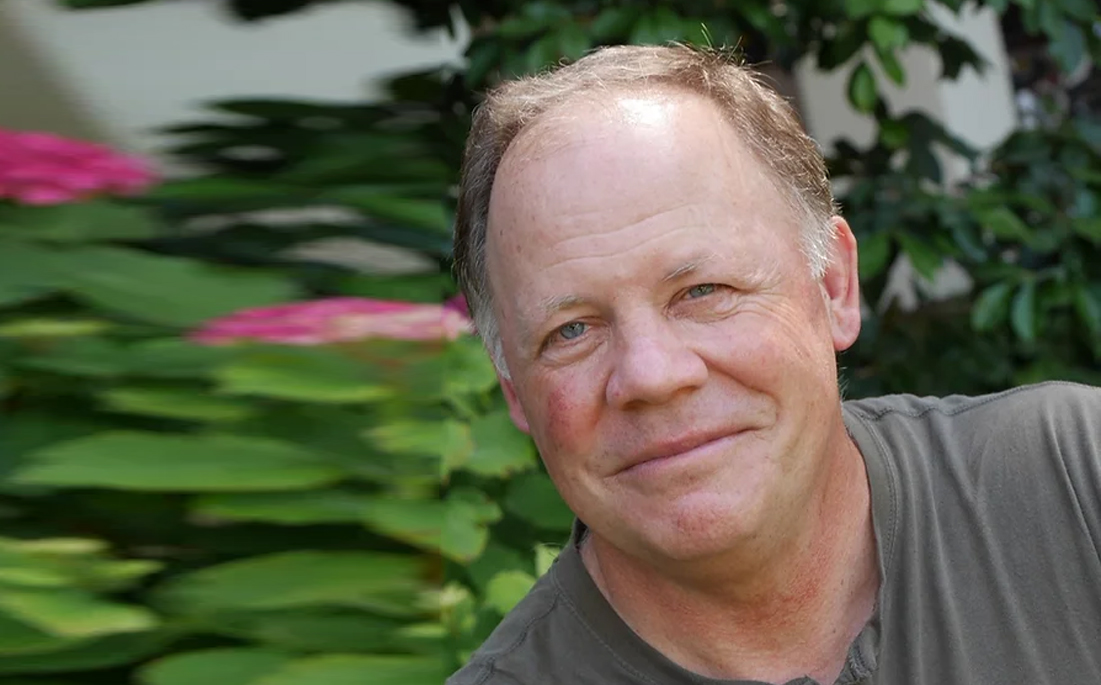
- டிம் மேயர்
கௌதம சித்தார்த்தன் எழுதிய “ஆழ்வாரும் நரியும்” என்ற கட்டுரை The levant.com என்னும் இணைய இதழில் ஆங்கிலத்தில் (மொழியாக்கம் மஹாரதி) பெற்று வெளிவந்தது (2017, டிசம்பர்)
கட்டுரைக்கு புகழ் பெற்ற ஆங்கில எழுத்தாளர், கட்டுரையாளர், கதை சொல்லி திரு டிம் மேயர் அவர்கள் எழுதி அனுப்பி வைத்த கடிதம் இது.
கட்டுரையை வாசித்துவிட்டு, மொழிபெயர்ப்பில் இருக்கும் தவறைச் சுட்டிக்காட்டி, ஒரு அருமையான விமர்சனக் கட்டுரையாக வடிவம் எடுத்திருந்தது அந்தக் கடிதம்..
விமர்சனா பூர்வமான சுட்டிக்காட்டலுடன் இருந்த அந்தக் கடிதத்தின் சிறப்பான உள்ளடக்கம் நவீன தமிழ்ச் சூழலுக்கு இன்றியமையாததாக இருக்கும் என்ற பார்வையில் இங்கு தரப்பட்டுள்ளது :
இதற்கு முந்தைய பதிவில், “ஆழ்வாரும் நரியும்” என்ற கட்டுரை உள்ளது. அவசியம் வாசித்து விடுங்கள்.
***
Dear Gouthama:
Again, sorry to take so long! Today’s my first day of class for the quarter, so it’s been one of the busiest times of the year. But I’ve been wanting to get back to you!
First, I really enjoyed your article. It was FANTASTIC to hear about all this from a Tamil perspective. And I can assure you, many if not most American writers do NOT want Tamil native lit. to be swamped or held back in any way by Western models. So I think it’s great that you’re resisting that. Don’t get me wrong; I’m all for cultural borrowing, in every direction. But to me the best result of that would be a MIX of cultural elements, not the predominance of postmodernism you’re describing. We’ve all got so much to learn from each other! Besides, although I really like a number of elements in postmodernism, there are others I’m not so happy about.
So best of luck as you continue your campaign to assert Tamil literary values. I think it’s wonderful. It really is amazing how trendy some intellectuals can be, eh? When you’d think they were above that kind of thing.
And of course I’m especially chargined to hear about any negativity toward Tamil folk traditions. As a professional storyteller, I LIVE to learn about various folk narratives around the world—precisely because they’re so powerful. And I get the feeling you’re experiencing a double-whammy: Tamil writers who reject anything that isn’t postmodern—and who reject any folk lit. as somehow crude or old-fashioned or whatever. Wow—nothing could be further from the truth, eh?
In fact, I’m wondering—could you recommend some English collections of Tamil folktales?
I also love your point against the false dichotomy between “serious” literature and more genre elements, as countered byThe Name of the Rose. We’re on exactly the same page on that point! I’m happy to say that in the English-speaking world, we’re currently in a big shift of acceptance of genre and genre elements, based on the successes of people like LeGuin and George Saunders—have you read his Lincoln in the Bardo? Here’s a novel that combines American history with the Tibetan-Buddhist afterlife—and is a ghost story to boot! And it’s getting all kinds of honors. This idea of rejecting the absolutist high-brow/low-brow distinction—that’s one of those postmodern ideas I can really get behind.
I was delighted and honored that you cited my books in your piece—thank you! It was a thrill! I’m esp. happy that you used the River Stonesidea about the value of poems/river stones over gold—and applied it to the Tamil situation. The value of those more “earthy” elements of culture—you and I so agree on that.
I lvoed learning about Azhwars—thank you! I need to learn more about that. It’s fascinating! I thought the coincidental parallels concerning the fox, when compared to my fox books, were also really interesting.
Hey, a few last things:
–Maharathi did a good job translating! I’d just make a few small changes. I know English on the Subcontinent has become its own dialect, and has its own idioms—but a couple of things were hard to understand for me as an American. Americans know what “cobblestones” are, but “cobble” meaning rock or stone just doesn’t come through. And in my books, it’s actually “cherries,” not “sherries.” “Sherry” is an alcoholic drink.
–I’m curious—do you happen to know the name of the storyteller who told you my fox stories?
–And did you learn them at a storytelling conference in Chennai? I know there’s a big storytelling center there—I get blanket emails from Eric.
–And finally—how did you come to be named after the Buddha? I’ve read that Hinduism accepted Buddha as an avatar—though I’m not assuming you’re Hindu or anything else? Just curious.
So great to connect with you! And your publication record is very impressive!
All the best,
Tim
***
2018, September.

 கெளதம சித்தார்த்தன்